 Illustrative image
Sample journey
Island Highlights. View journey
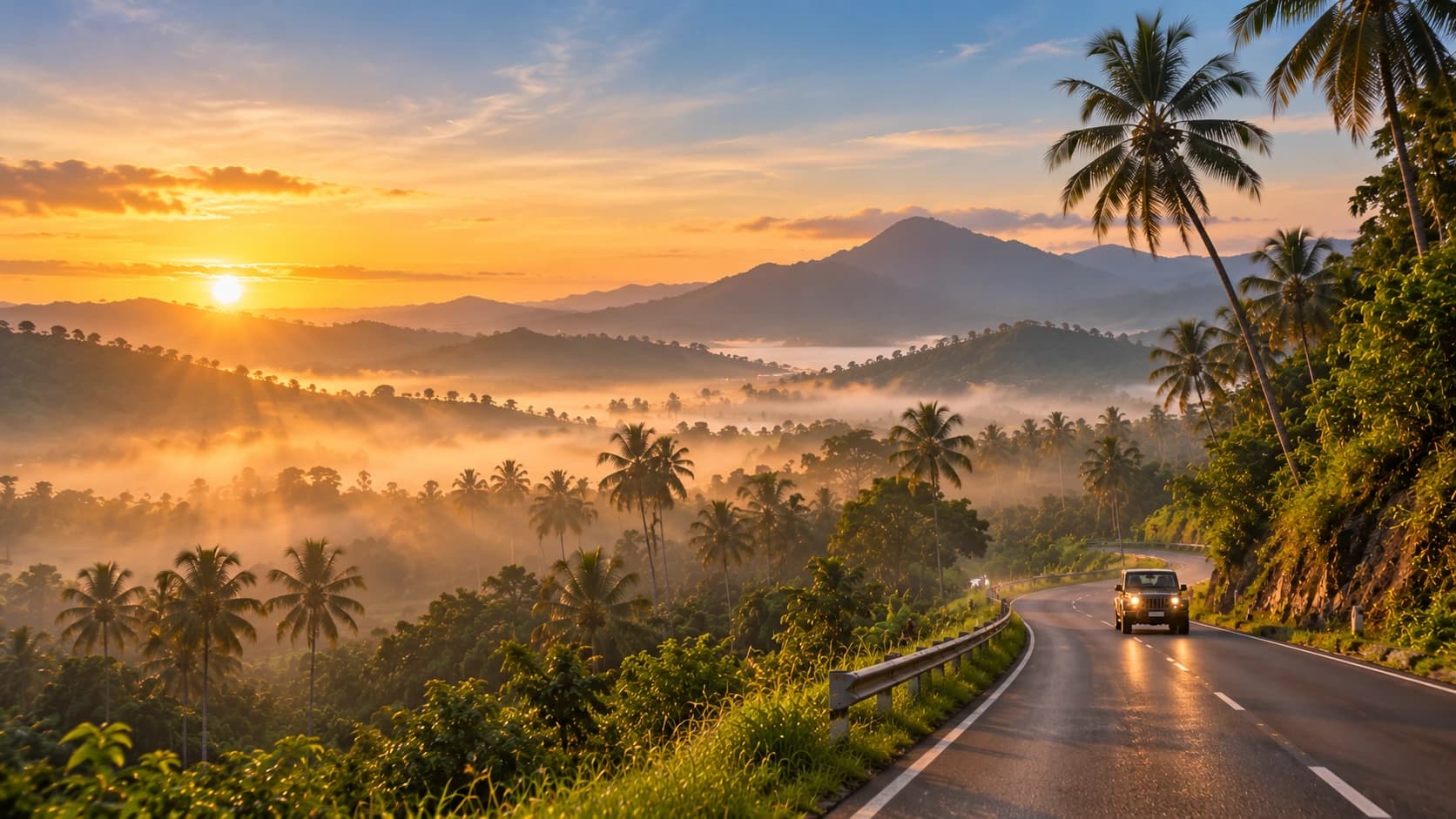
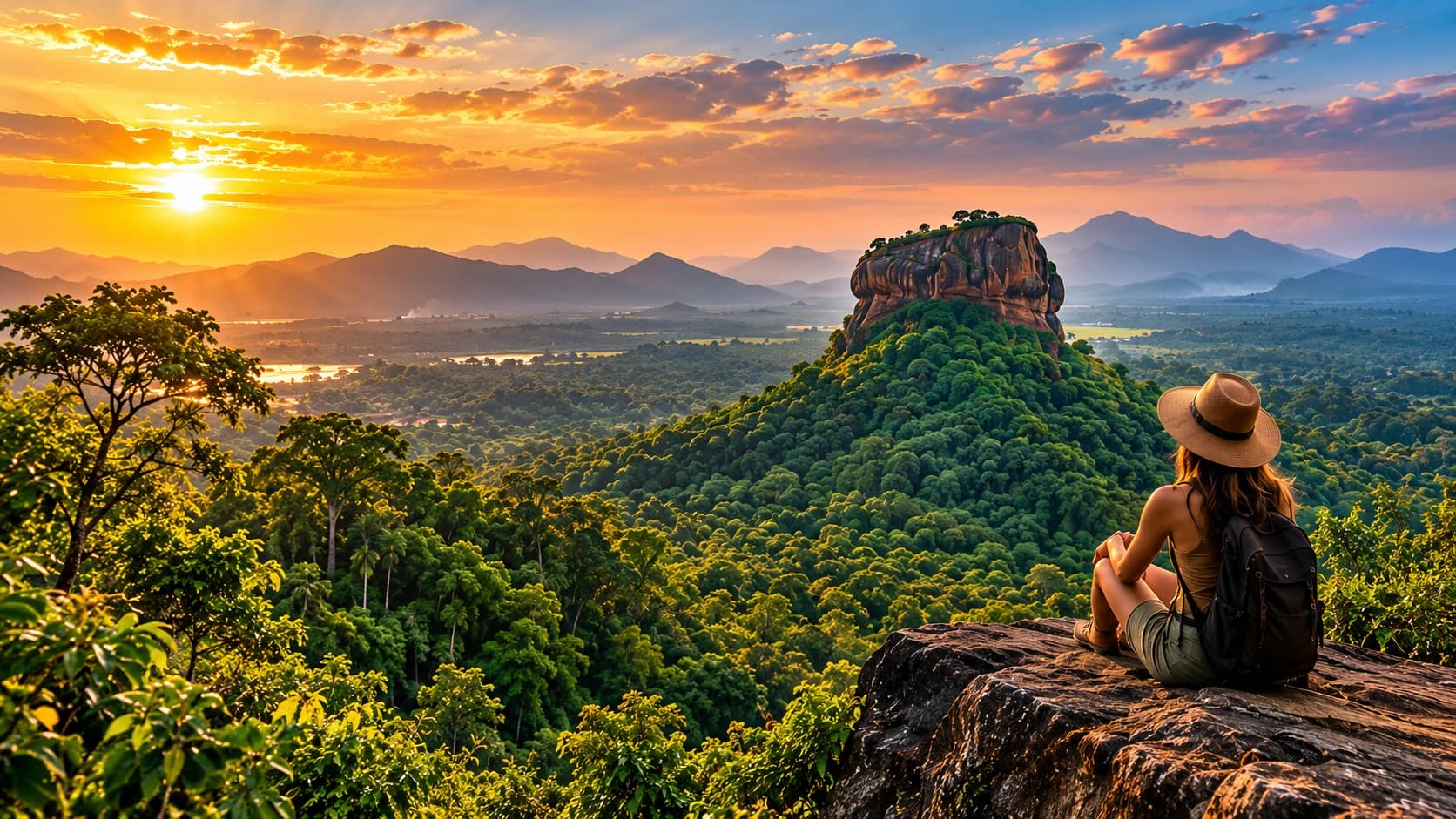
A first introduction to Sri Lanka: ancient sites, hill country and the south coast in one flowing route.
- Sigiriya
- Kandy
- Hill country
- South coast
- Often 10 to 14 days, always adjustable

South-west coast
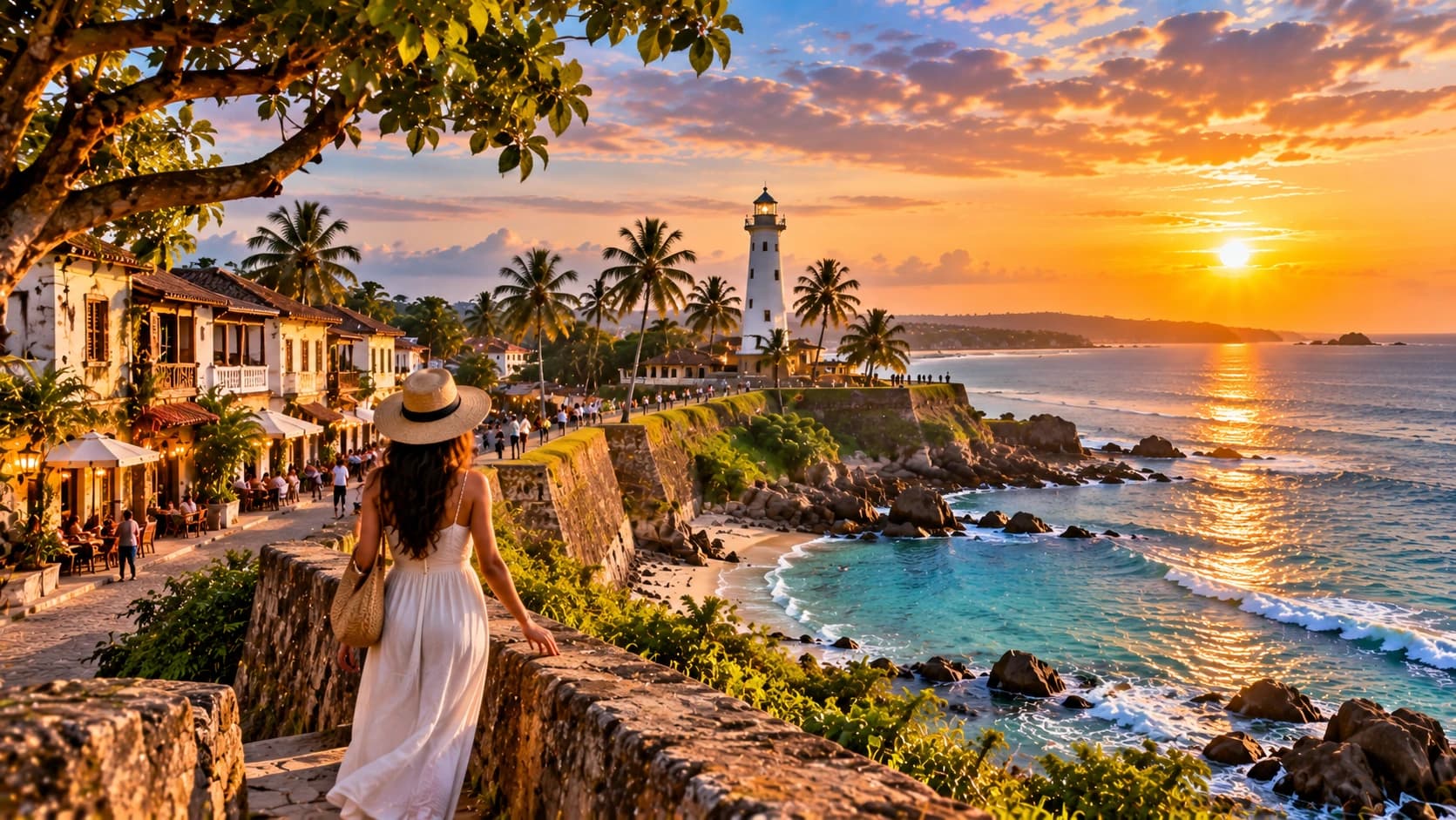
A fortified old town on a rocky headland, founded by the Portuguese and shaped under Dutch rule.
Illustrative imageThe Old Town of Galle and its Fortifications stands on a small rocky promontory on the south-west coast. The Portuguese founded it as a fortified town in the 16th century, and it reached its height in the 18th century under Dutch rule.
UNESCO describes it as the best representation of a fortified city built by Europeans in South Asia, where European planning met South Asian building traditions. It is best explored on foot, along the ramparts and through the streets, in the cooler hours.
Each fact comes with its source and the date we last checked it. Rules and conditions change, so please confirm them before you travel.
The Old Town of Galle and its Fortifications stands on a small rocky promontory on the south-west coast. The Portuguese founded it as a fortified town in the 16th century, and it reached its height in the 18th century under Dutch rule. UNESCO calls it the best representation of a fortified city built by Europeans in South Asia. It was inscribed in 1988.
Official source: UNESCO World Heritage Centre (opens in a new tab). Checked on October 11, 2026.
Sri Lanka has two monsoons. The south-west monsoon (May to September) brings most of its rain to the south-west and the hill country; the north-east monsoon (December to February) rains mainly on the eastern half of the island. In the months between, October to November and March to April, showers can fall anywhere. Conditions vary from year to year.
Official source: Department of Census and Statistics, Sri Lanka (opens in a new tab). Checked on October 11, 2026.
Illustrative imageSample journey
A first introduction to Sri Lanka: ancient sites, hill country and the south coast in one flowing route.
 Illustrative image
Sample journey
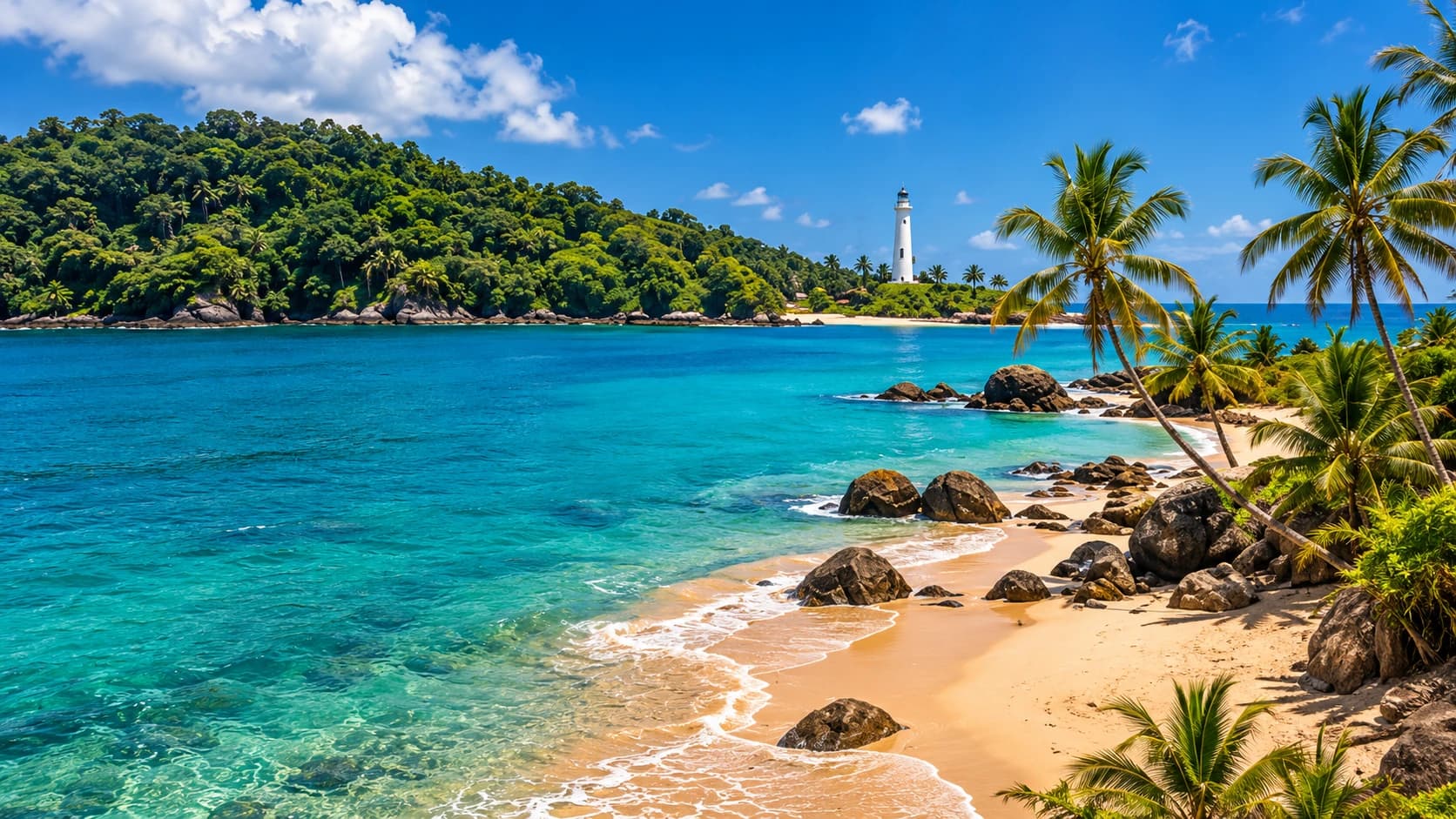
Beaches, fishing villages and the fort town of Galle, with room to do very little or add active days.
 Illustrative image
Sample journey
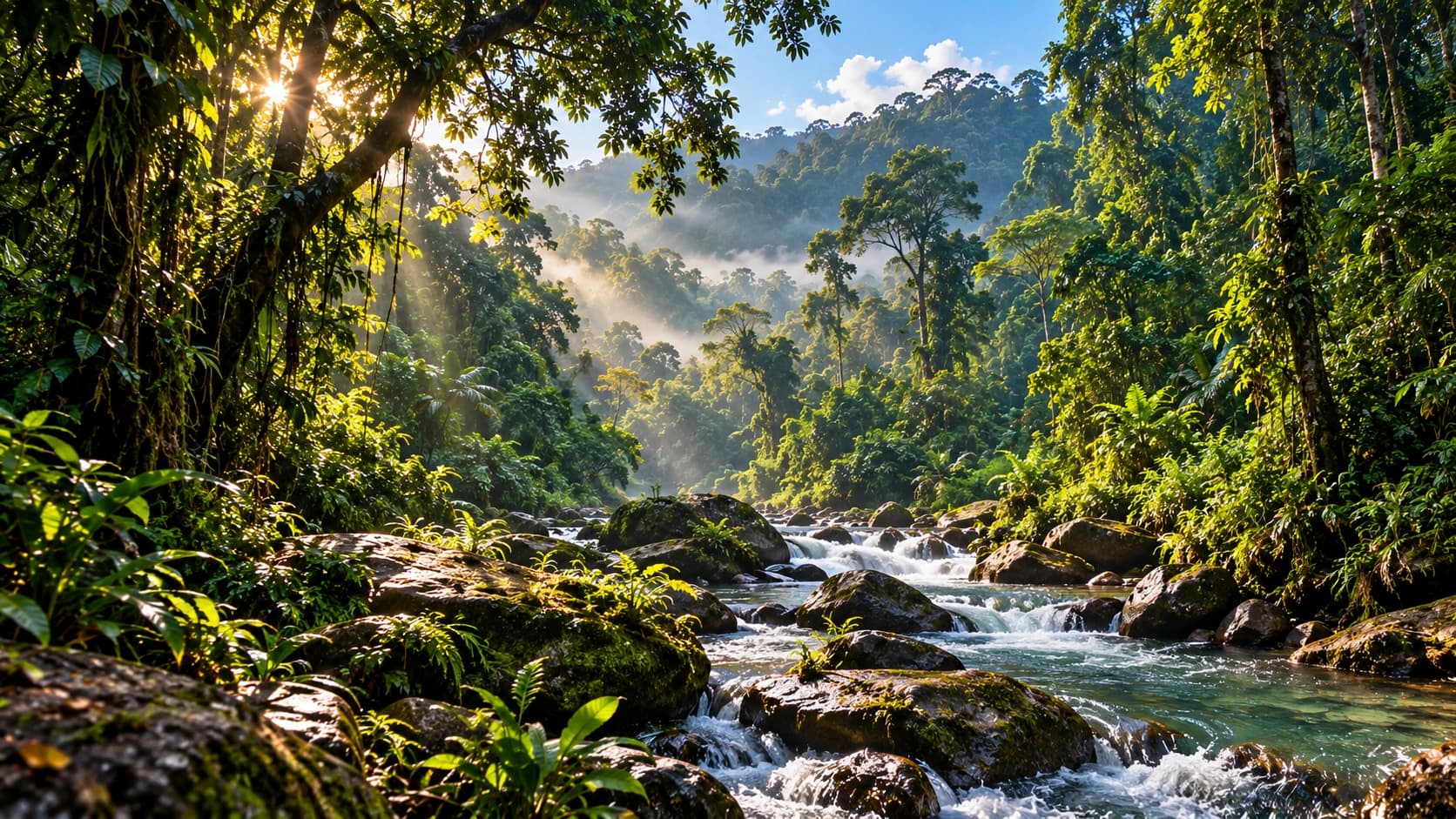
Start in lowland rainforest and finish by the sea: early walks with a guide, then beach days on the south coast.
 Illustrative image
Sample journey
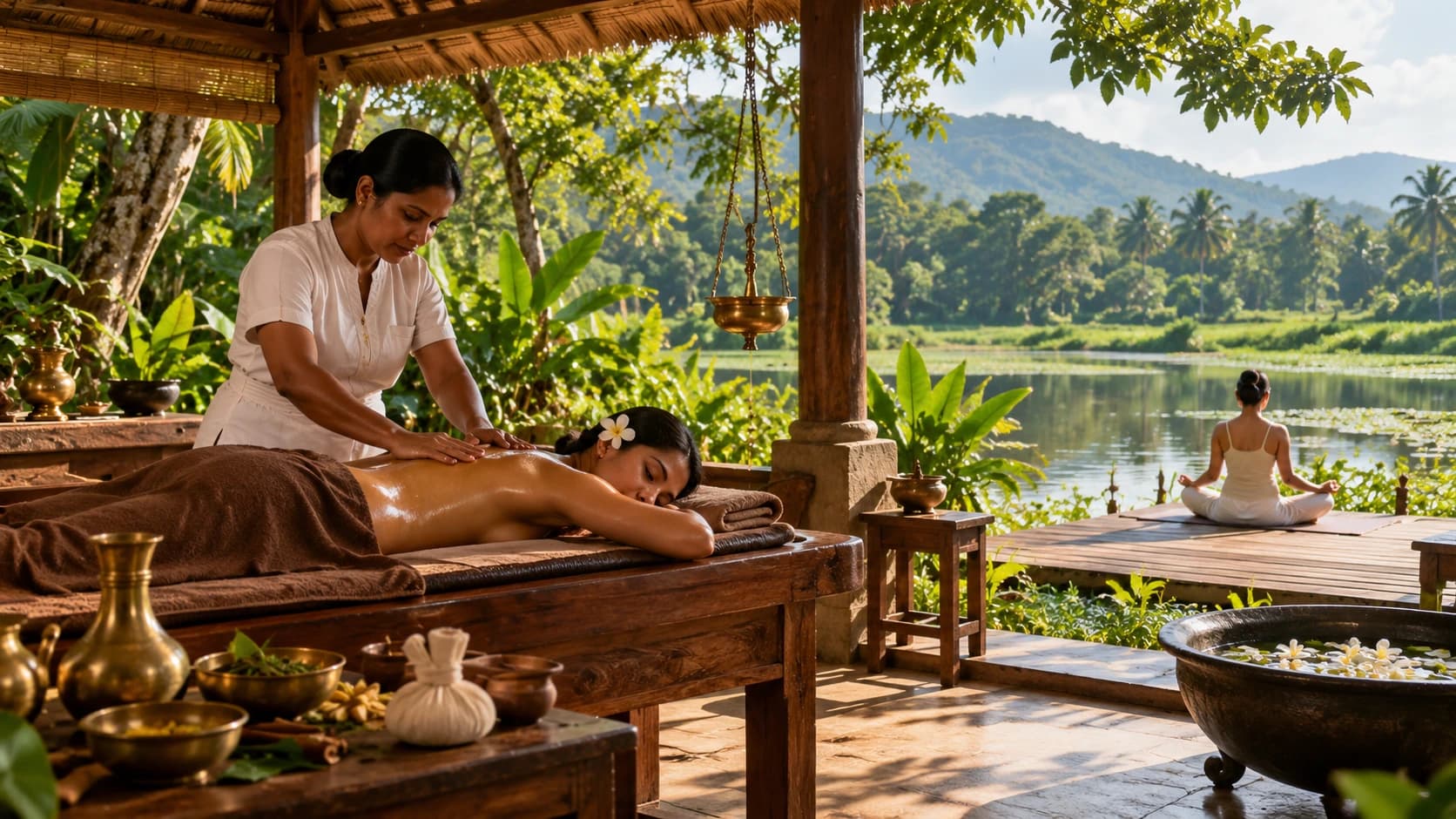
Two calm bases, a lakeside hill city and the south coast, with little travelling and time to rest.
 Illustrative image
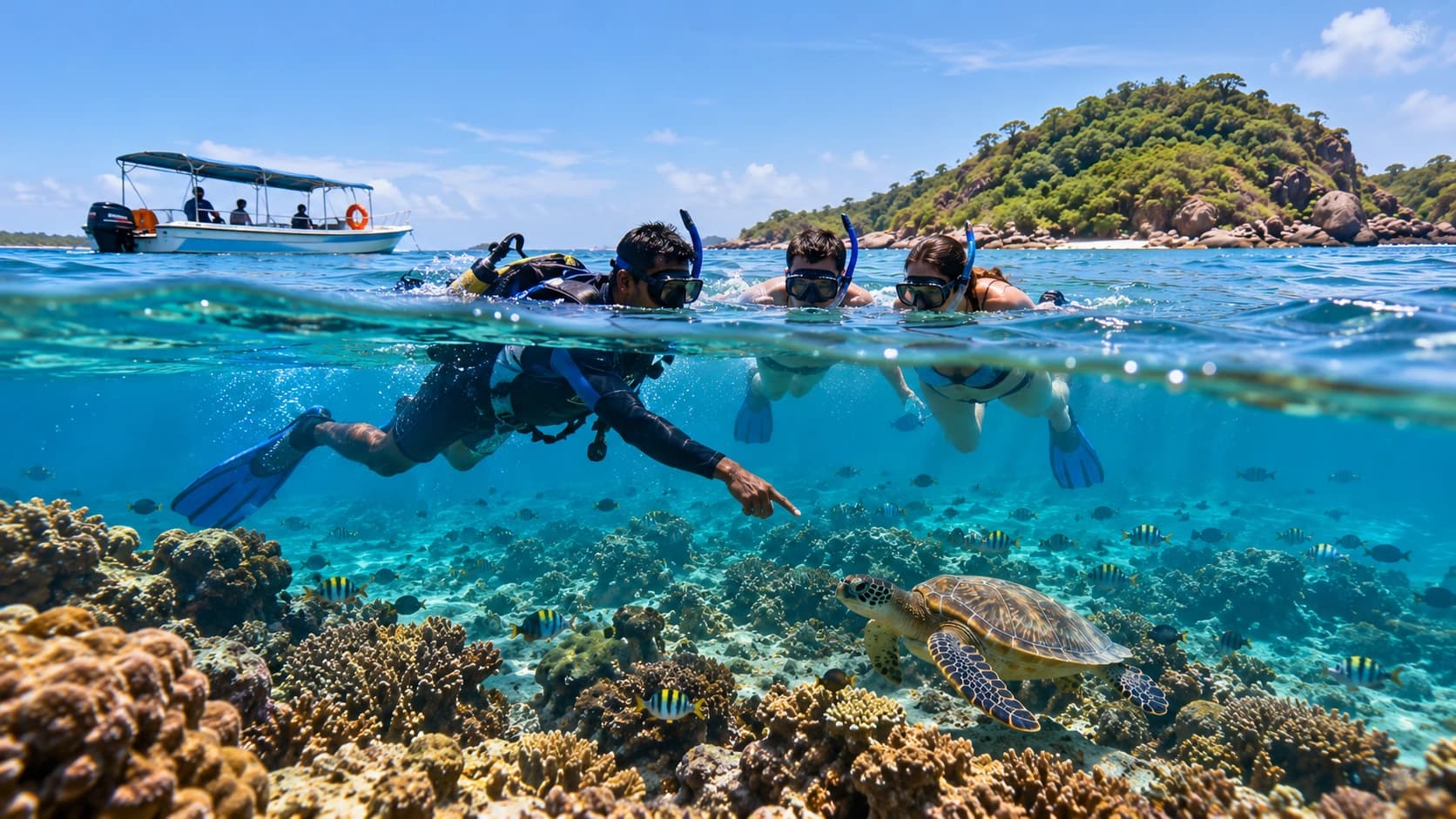
Beaches & ocean
Palm-lined beaches, surf, snorkelling and, in season, whale watching along the coast.
 Illustrative image
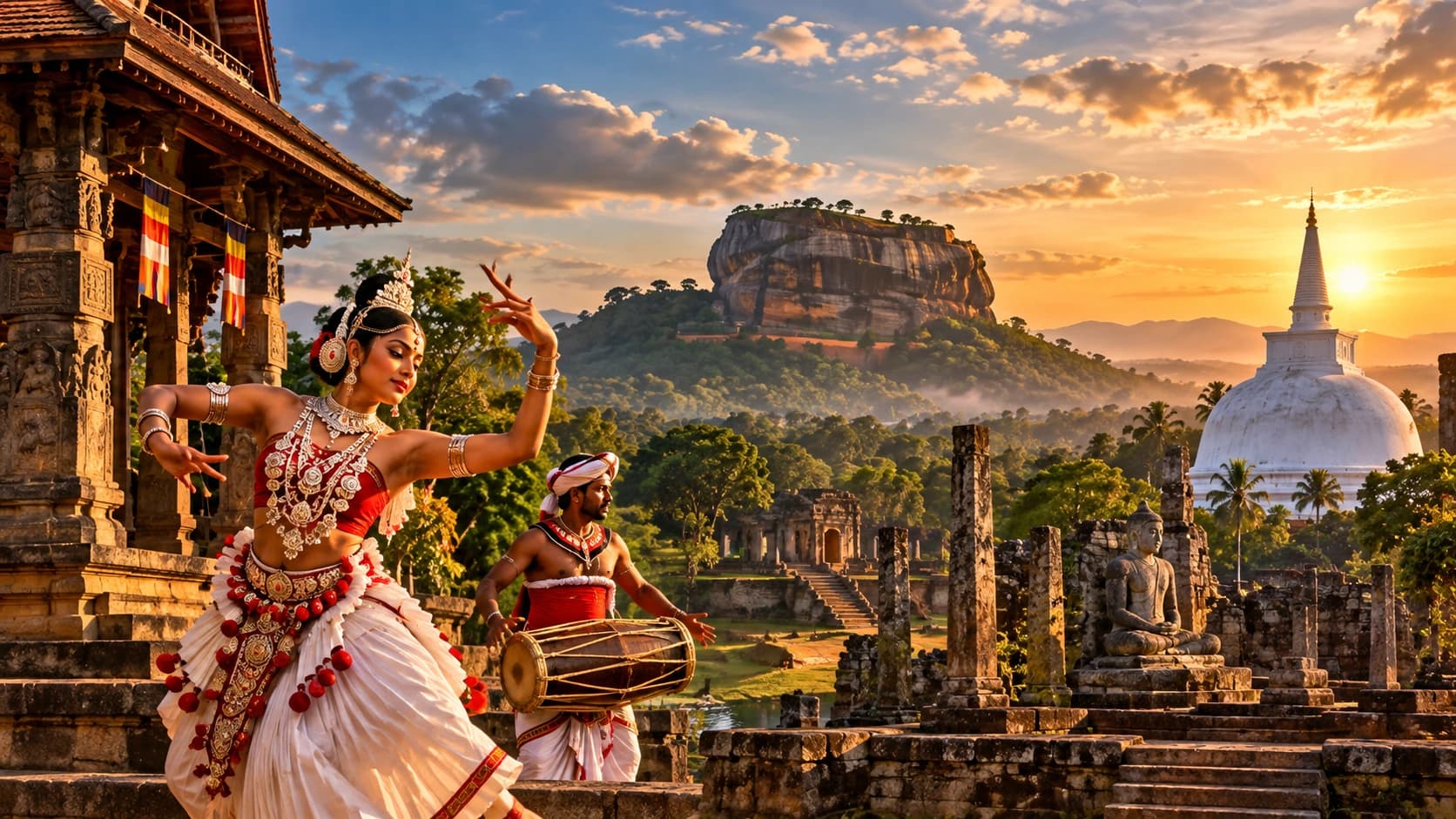
Culture & heritage
Ancient cities, cave temples and living traditions, explained by people who know the stories.
 Illustrative image
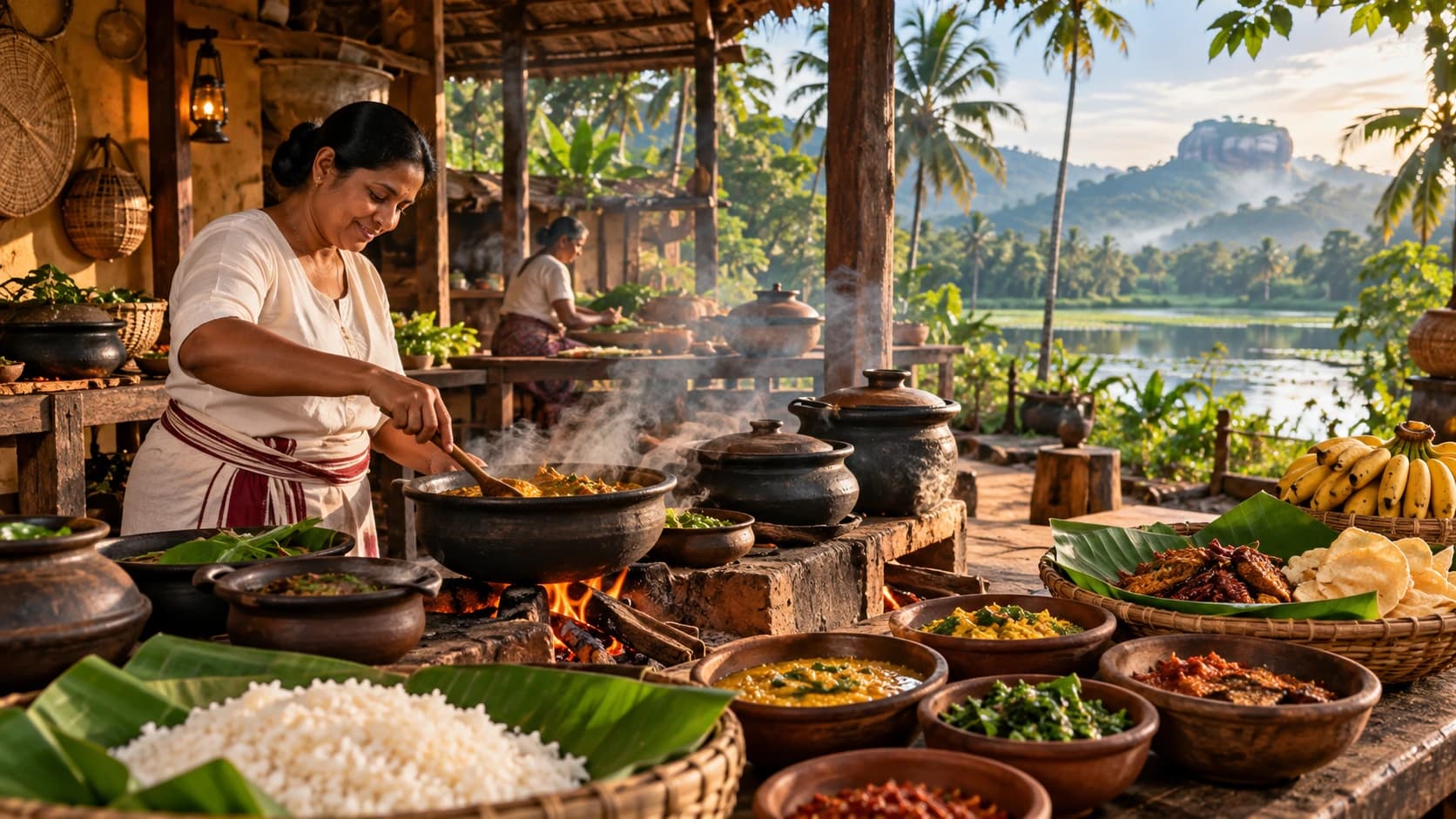
Food & local life
Rice and curry, hoppers, spice gardens and time spent with local hosts.
 Illustrative image
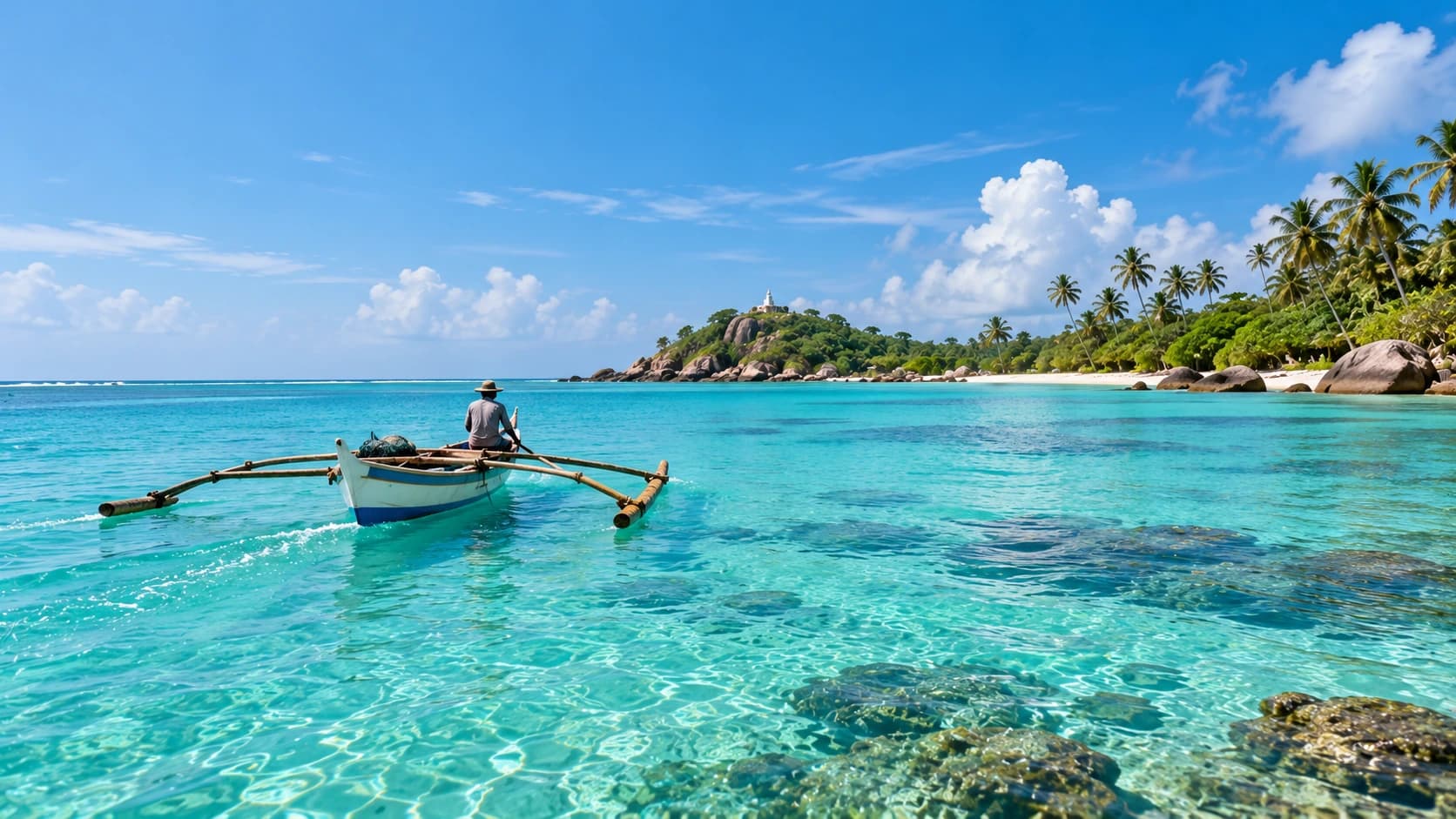
South coast
A beach and fishing town on the south coast, best known for whale watching in season.
Tell us what you have in mind. It takes a few minutes and there is no obligation.
Plan a trip that includes this place