South-west wet zone

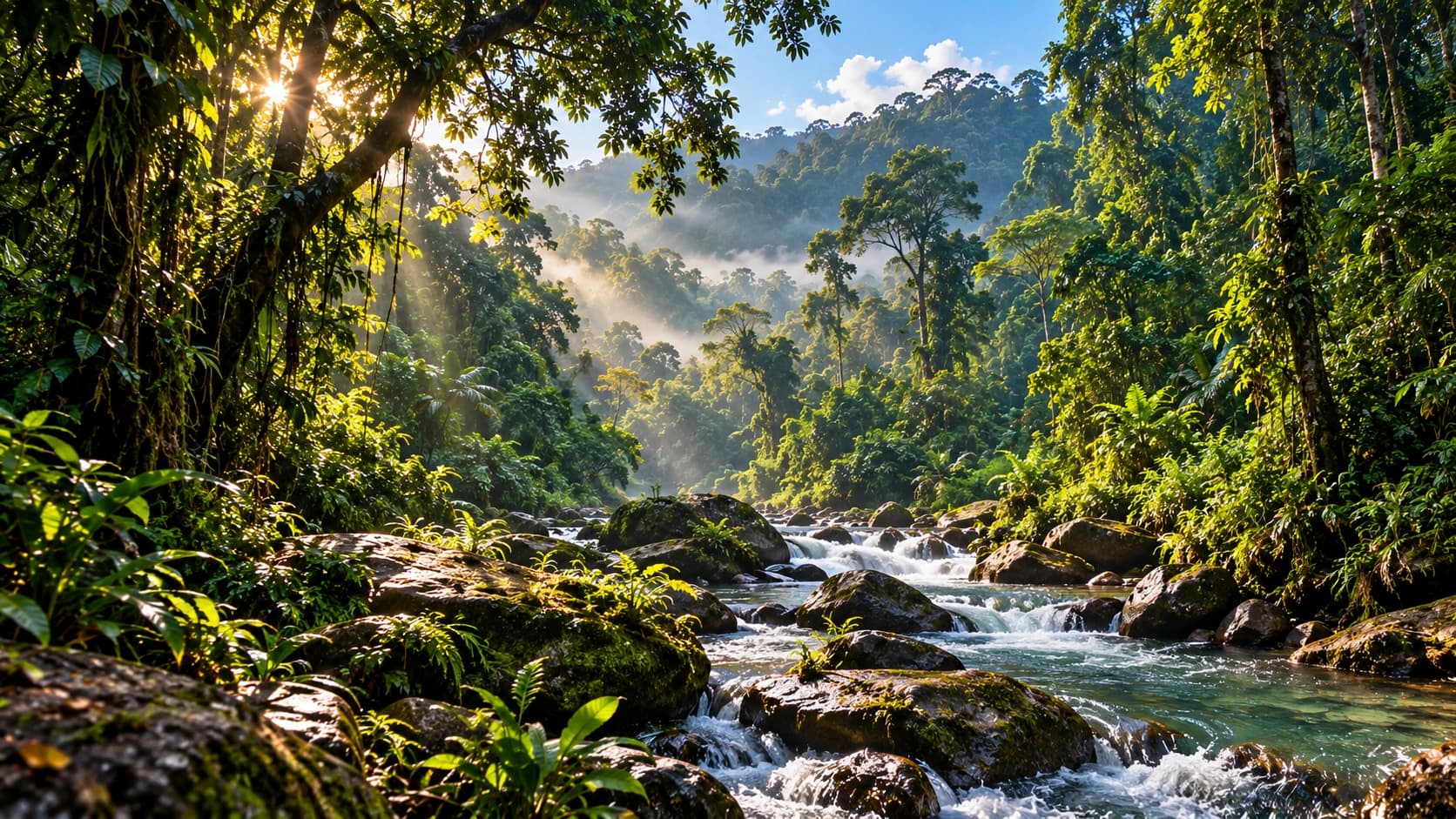
Sinharaja rainforest

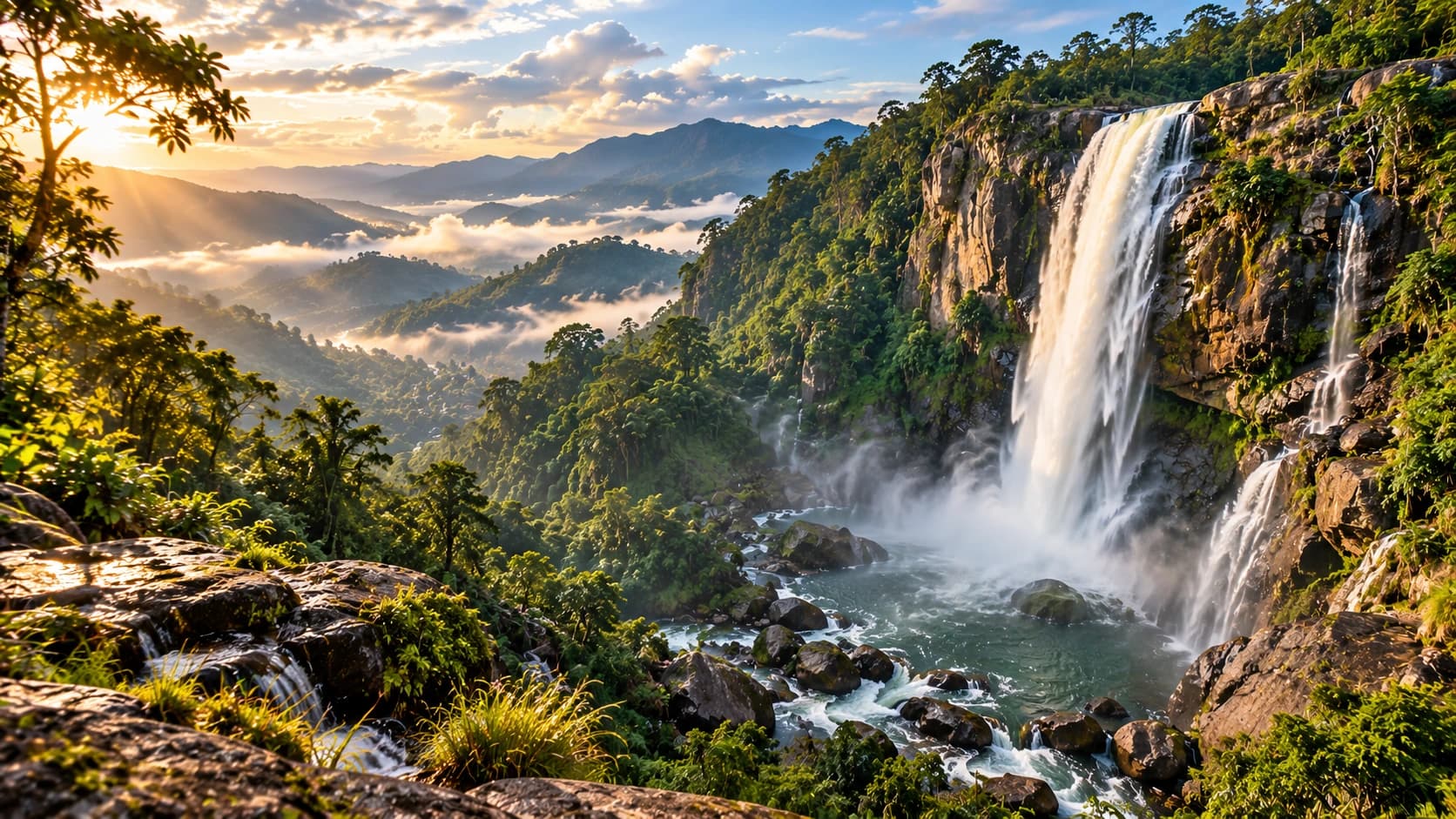
Sri Lanka's last large stretch of primary lowland rainforest, a World Heritage forest best met on foot.

Illustrative image

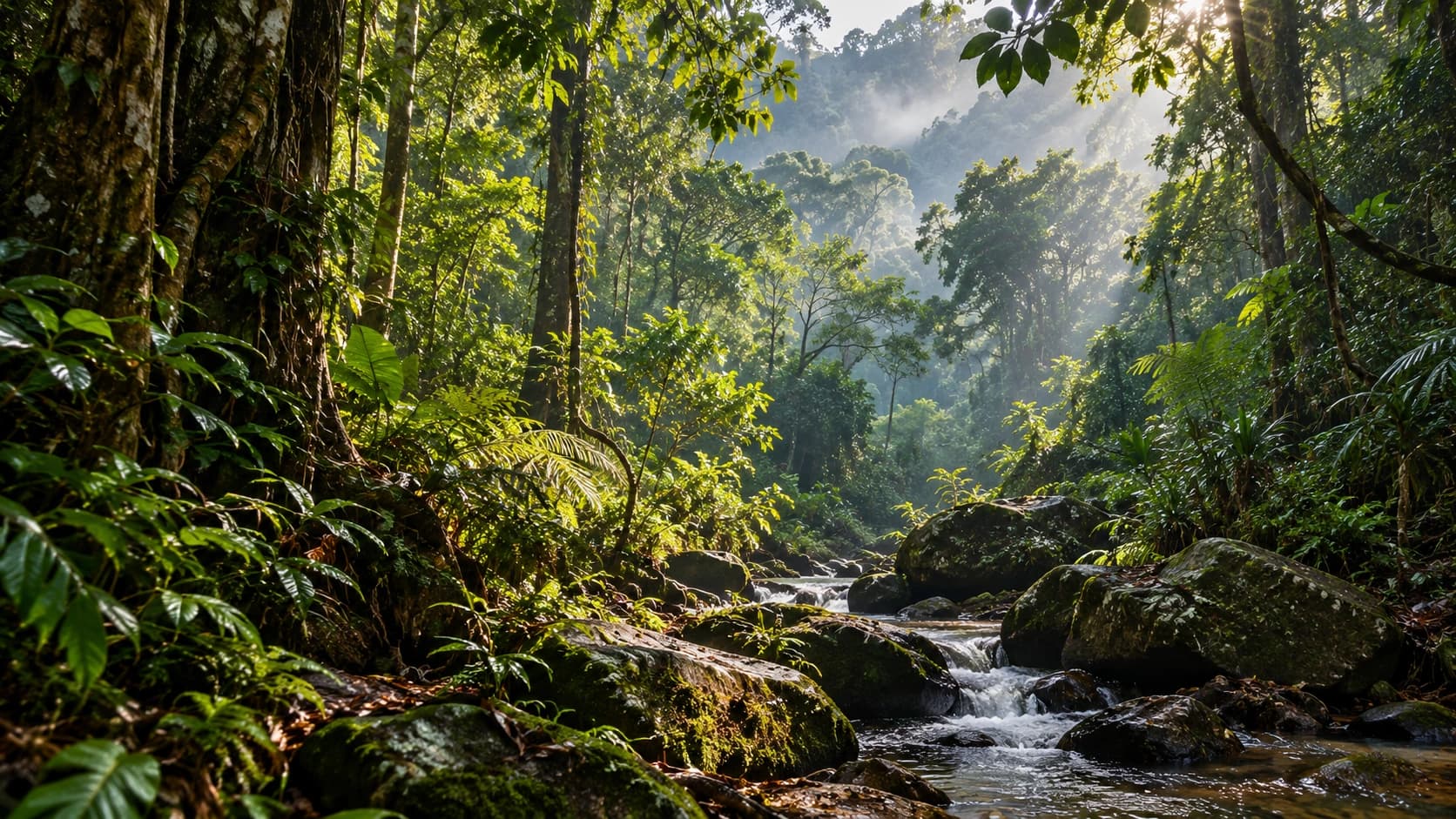
Sinharaja is a dense, humid rainforest in the south-west of the island, and a UNESCO World Heritage natural site. It is a place to walk slowly, listen and look closely: birdsong, streams, towering trees and a great deal of life that stays out of sight.

Few places on the island feel so different from the beaches and the dry-zone parks. It pairs well with the south coast, for a journey that goes from rainforest to sea.

What to expect

  • The last large area of primary lowland rainforest in Sri Lanka
  • Walking with a local guide
  • Birdlife, streams and ancient trees
  • A cool, green contrast to the coast

When and how

  • The forest is wet for much of the year, and the south-west monsoon brings its heaviest rain between May and September. We plan around the weather and keep days flexible.
  • Rules on guides, permits and access are set by the authorities and can change. We check the current position with the forest office for your dates and arrange it with you.
  • Wear light, quick-drying clothes and shoes with a good grip, and expect mud and leeches in the wet months.

Travel responsibly

  • Stay on the paths and with your guide, and never pick plants or disturb animals
  • Carry out everything you carry in, especially plastic
  • Keep voices low: the forest is a home, and quiet shows you more

Practical facts

Each fact comes with its source and the date we last checked it. Rules and conditions change, so please confirm them before you travel.

  • Sinharaja Forest Reserve holds the last extensive patch of primary lowland rainforest in Sri Lanka. It covers 8,864 hectares in the south-west wet zone, at altitudes of 300 to 1,170 metres, and was inscribed on the UNESCO World Heritage List in 1988.

    Official source: UNESCO World Heritage Centre (opens in a new tab). Checked on October 11, 2026.

  • Sri Lanka has two monsoons. The south-west monsoon (May to September) brings most of its rain to the south-west and the hill country; the north-east monsoon (December to February) rains mainly on the eastern half of the island. In the months between, October to November and March to April, showers can fall anywhere. Conditions vary from year to year.

    Official source: Department of Census and Statistics, Sri Lanka (opens in a new tab). Checked on October 11, 2026.

Sunlight and mist through rainforest trees above a rocky streamIllustrative image

Sample journey

Rainforest and Southern Shore. View journey

Start in lowland rainforest and finish by the sea: early walks with a guide, then beach days on the south coast.

  • Sinharaja rainforest area
  • Galle
  • Mirissa
  • Often 7 to 9 days, always adjustable
Places on the same routes

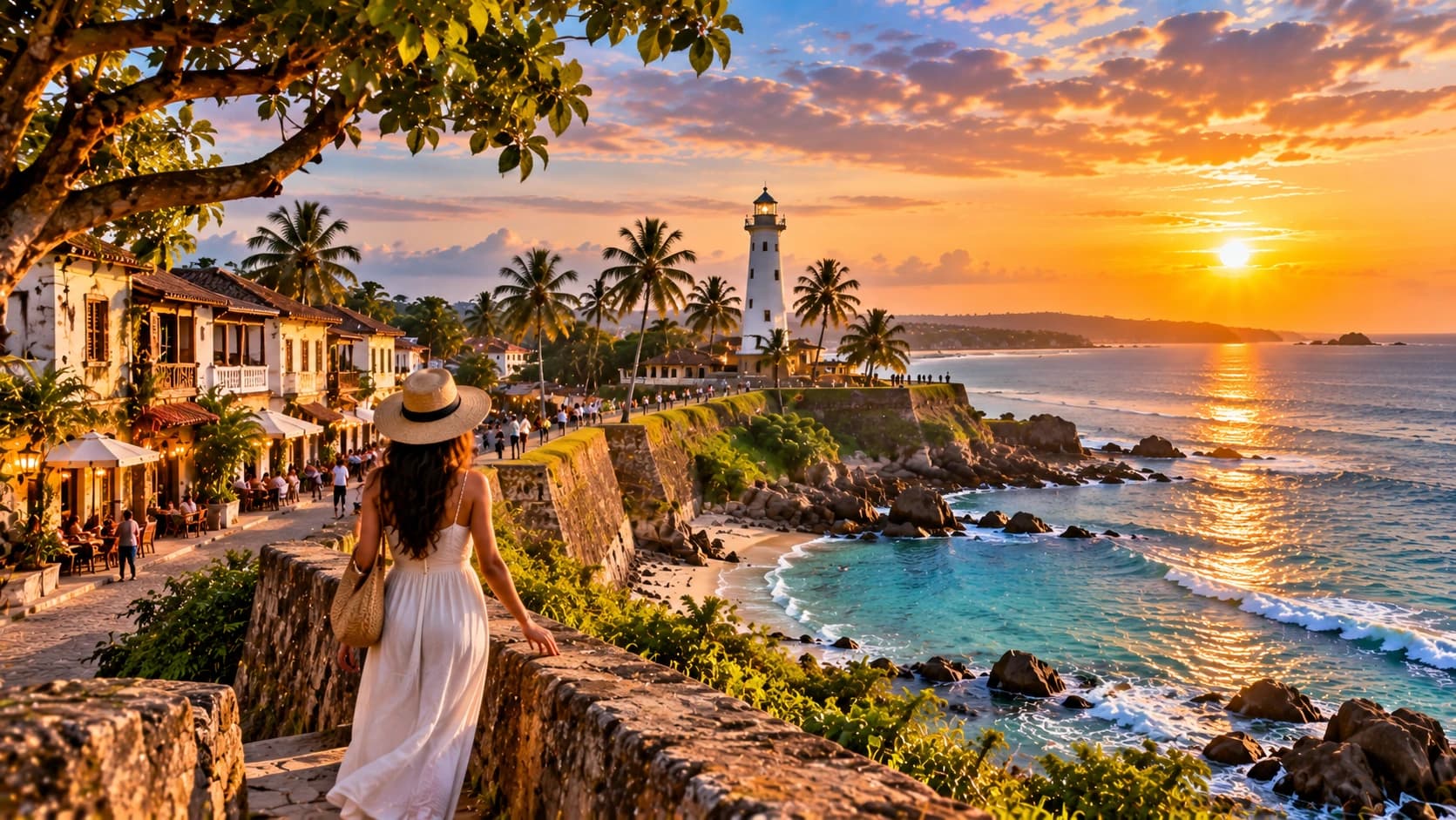
A woman in a sun hat walking along an old fort wall towards a lighthouse at sunset, with the sea on the rightIllustrative image

South-west coast

Galle. View destination

A fortified old town on a rocky headland, founded by the Portuguese and shaped under Dutch rule.

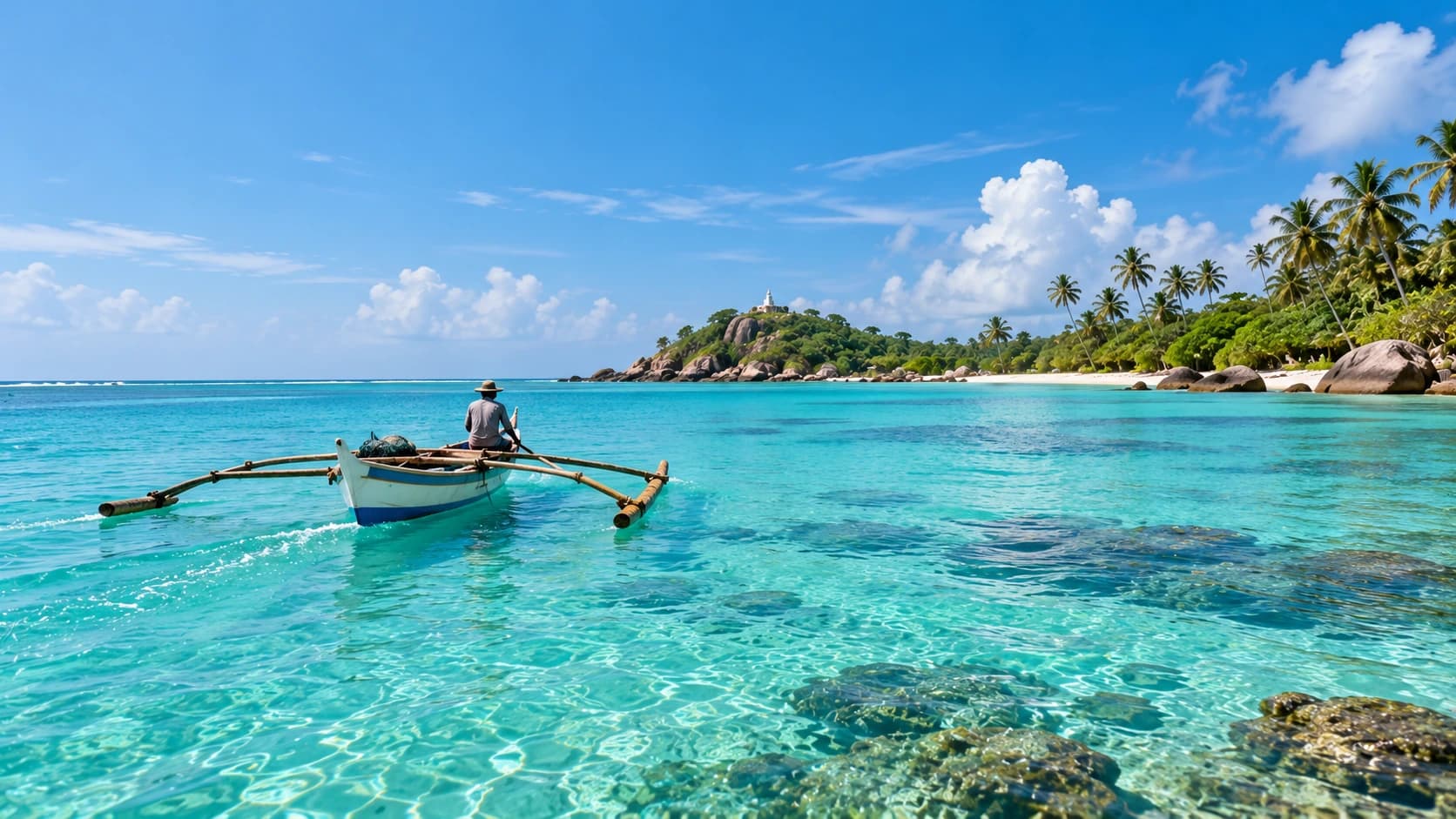
A fisherman in an outrigger boat on clear turquoise water near a palm-lined shoreIllustrative image

South coast

Mirissa. View destination

A beach and fishing town on the south coast, best known for whale watching in season.

Start planning your Sri Lanka journey

Tell us what you have in mind. It takes a few minutes and there is no obligation.

Plan a trip that includes this place
Plan my trip