 Illustrative image
Sample journey
Island Highlights. View journey
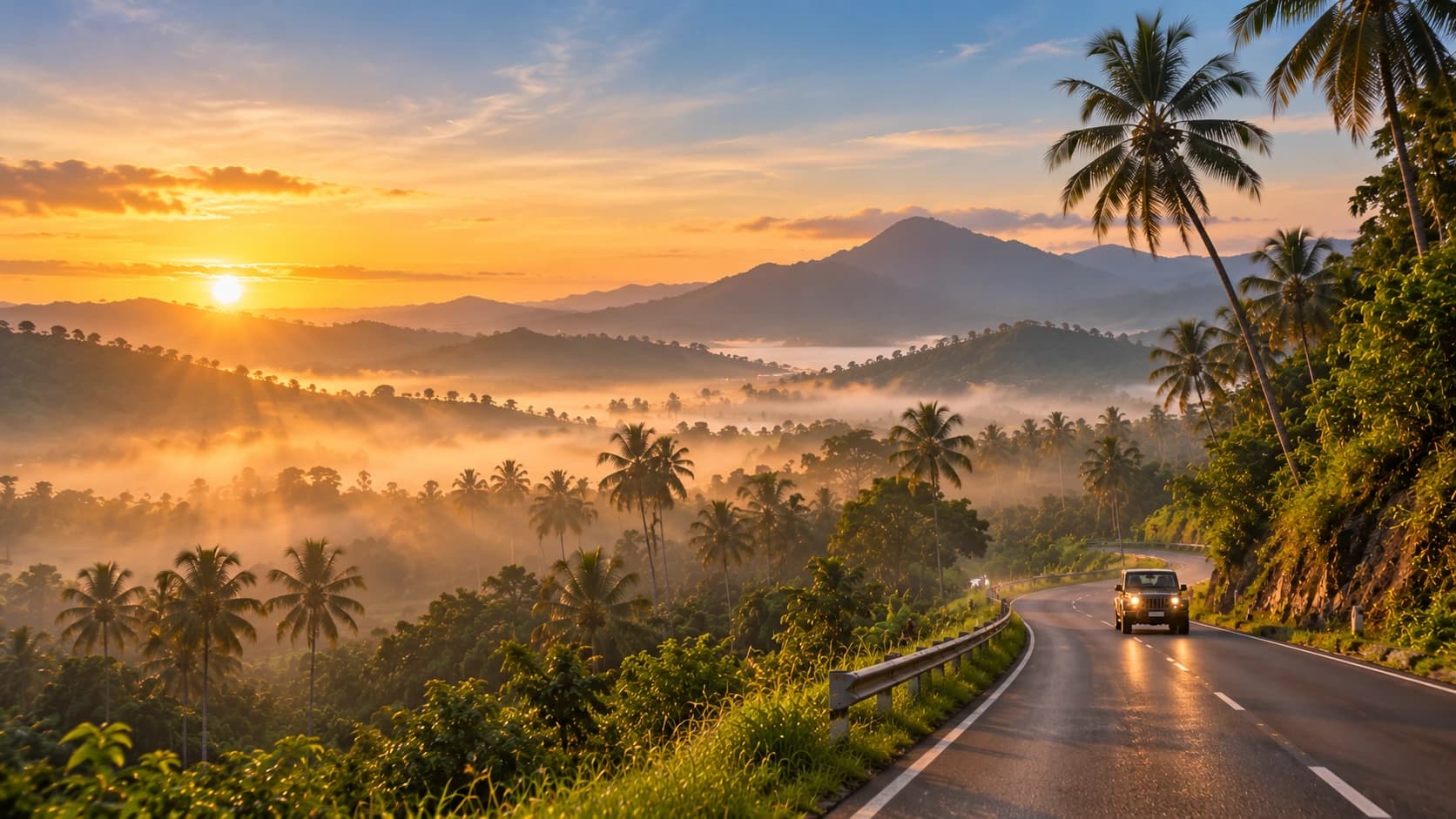
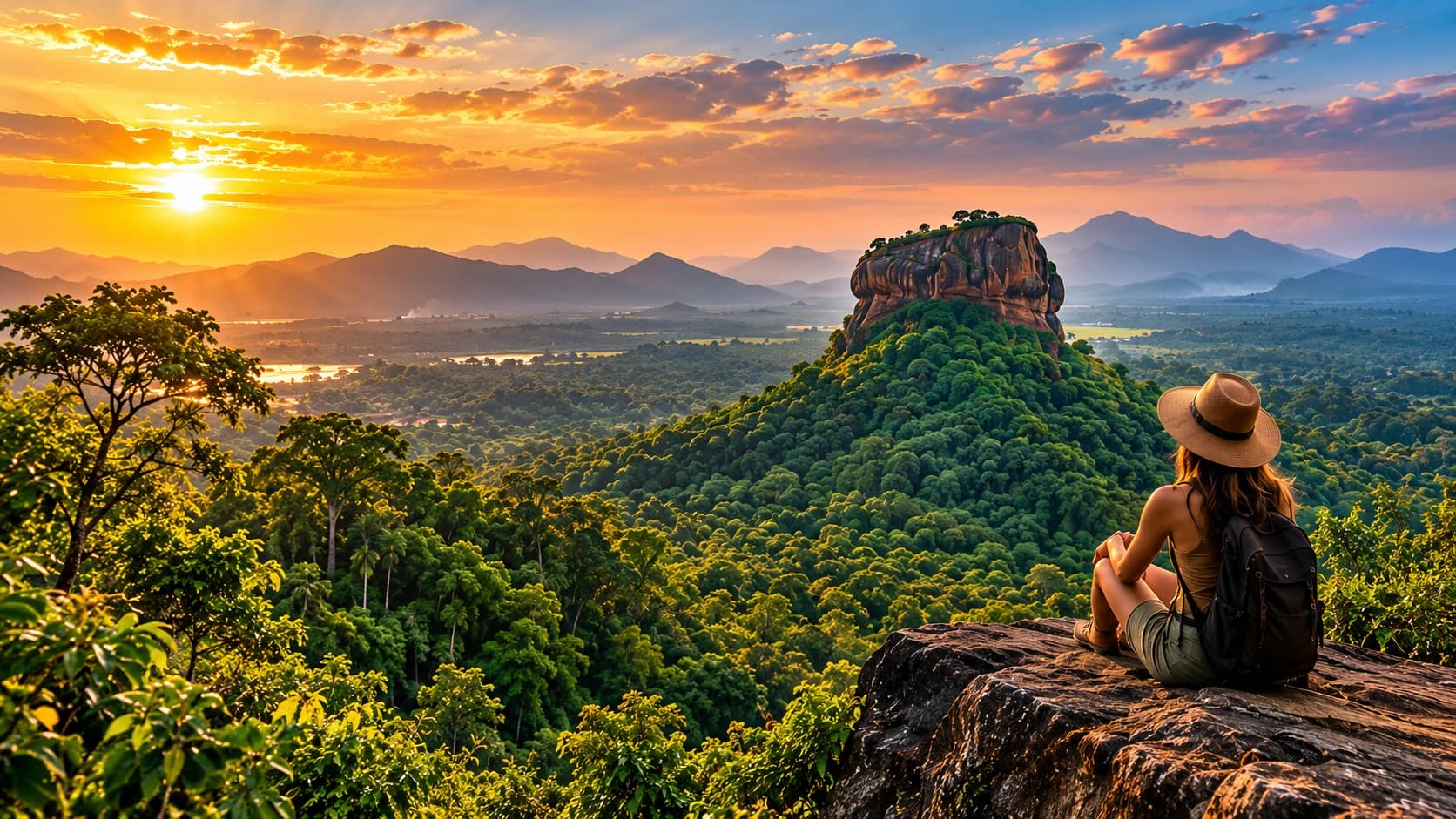
A first introduction to Sri Lanka: ancient sites, hill country and the south coast in one flowing route.
- Sigiriya
- Kandy
- Hill country
- South coast
- Often 10 to 14 days, always adjustable

Guide
There is no single best month. Sri Lanka has two monsoons, so the better question is which region suits your dates.
Sri Lanka is a small island with more than one weather pattern at a time. Instead of naming a best month, we look at where rain is likely on your dates and plan the route around it.
The facts below come from official statistics and other sources, and each one shows its source and the date we checked it.
The island's weather follows two monsoons. Rain also varies by region and from year to year, so no single month is best for the whole island.
Sri Lanka has two monsoons. The south-west monsoon (May to September) brings most of its rain to the south-west and the hill country; the north-east monsoon (December to February) rains mainly on the eastern half of the island. In the months between, October to November and March to April, showers can fall anywhere. Conditions vary from year to year.
Official source: Department of Census and Statistics, Sri Lanka (opens in a new tab). Checked on October 11, 2026.
Because rain follows the monsoons, we look at different parts of the island for different months, favouring the regions where less of that season's rain falls.
Conditions change from year to year, so we treat this as a starting point, never as a guarantee.
Whale watching has its own seasons, and they differ between the south and the east coast.
Blue whales are watched off Mirissa, on the south coast, mainly between December and March, and off Trincomalee, on the east coast, mainly between March and July. Sightings are never guaranteed. Whale watching operators are licensed under national regulations, but monitoring has been reported as weak, so choose an operator with care.
Official source: IWC Whale Watching Handbook (opens in a new tab). Checked on October 11, 2026.
If climbing Adam's Peak matters to you, its pilgrimage season sets the best time.
The Adam's Peak (Sri Pada) pilgrimage season runs from the December full moon (Unduvap Poya) to the May full moon (Vesak Poya), with the most climbers in January and February. The climb is still possible outside the season, but bring a torch.
Reported by: Sri Pada (Adam's Peak) information site (opens in a new tab). Checked on October 11, 2026.
Wildlife parks follow the dry season too, and parts of a park can close at that time.
Yala became a national park on 25 February 1938 and is divided into five zones for administrative convenience. A Ministry of Environment document describes it as conventional practice to close the park to the public in the drought season, from 1 September to 15 October, while staff maintain ponds, roads and bungalows.
Official source: Ministry of Environment, Sri Lanka (opens in a new tab). Checked on October 11, 2026.
Parts of Yala National Park can close to visitors in the dry season, to protect wildlife and for maintenance. The Department of Wildlife Conservation decides this each year and the dates change, so check the current position before booking a safari.
Reported by: Newsfirst (opens in a new tab). Checked on October 11, 2026.
Tell us when you can travel and what matters most, and we will say what we would change: the order of regions, the length of each stay or the activities. If part of your trip is likely to be wet, we say so before you decide.
Illustrative imageSample journey
A first introduction to Sri Lanka: ancient sites, hill country and the south coast in one flowing route.
 Illustrative image
Sample journey
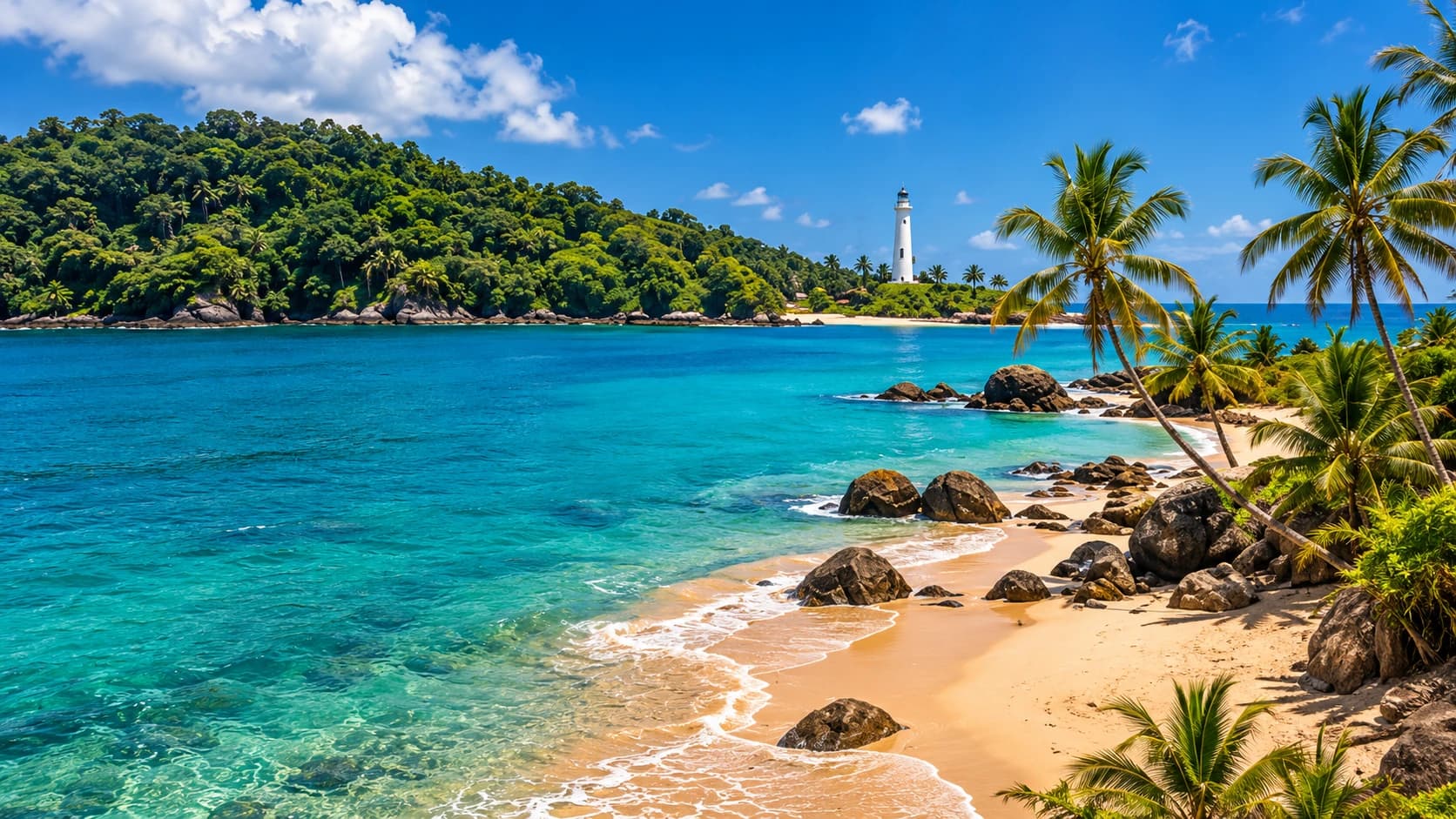
Beaches, fishing villages and the fort town of Galle, with room to do very little or add active days.
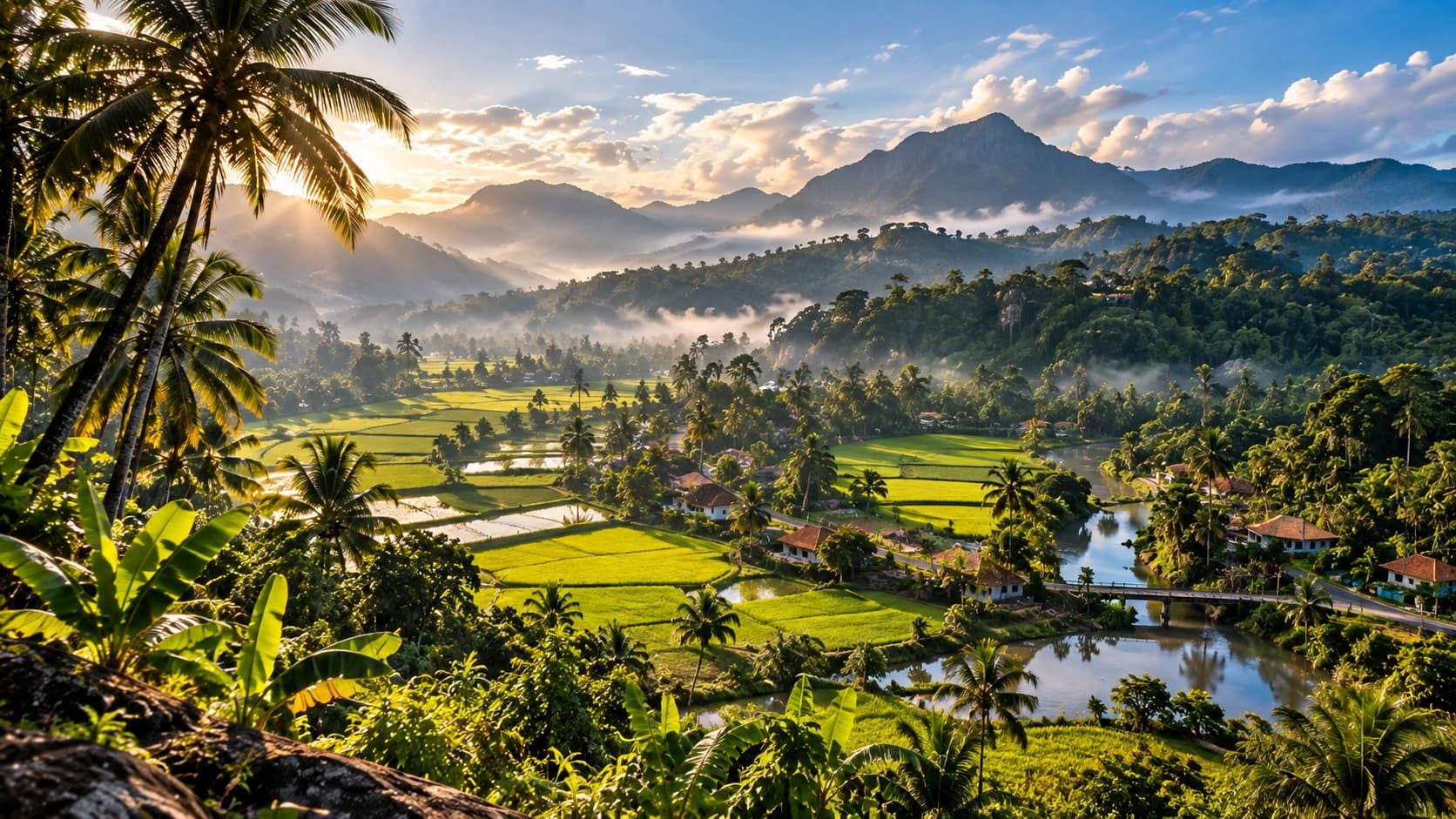 Illustrative image
Sample journey
A walking-paced journey through the hill country: tea estates, misty ridges and the scenic railway, with time on foot.
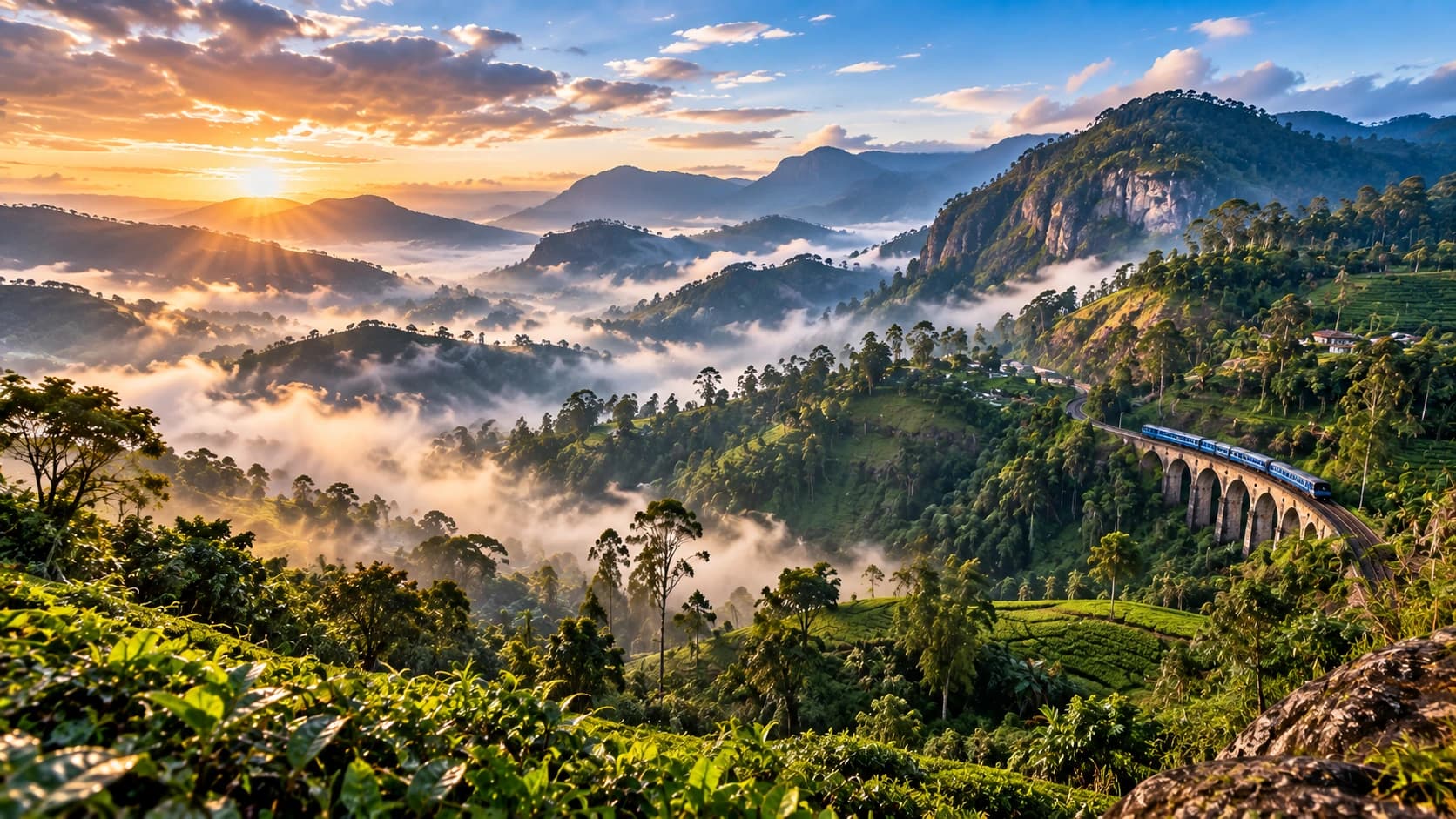 Illustrative image
Southern hill country
A small hill-country place for ridge and valley walks, tea slopes and views from the scenic railway.
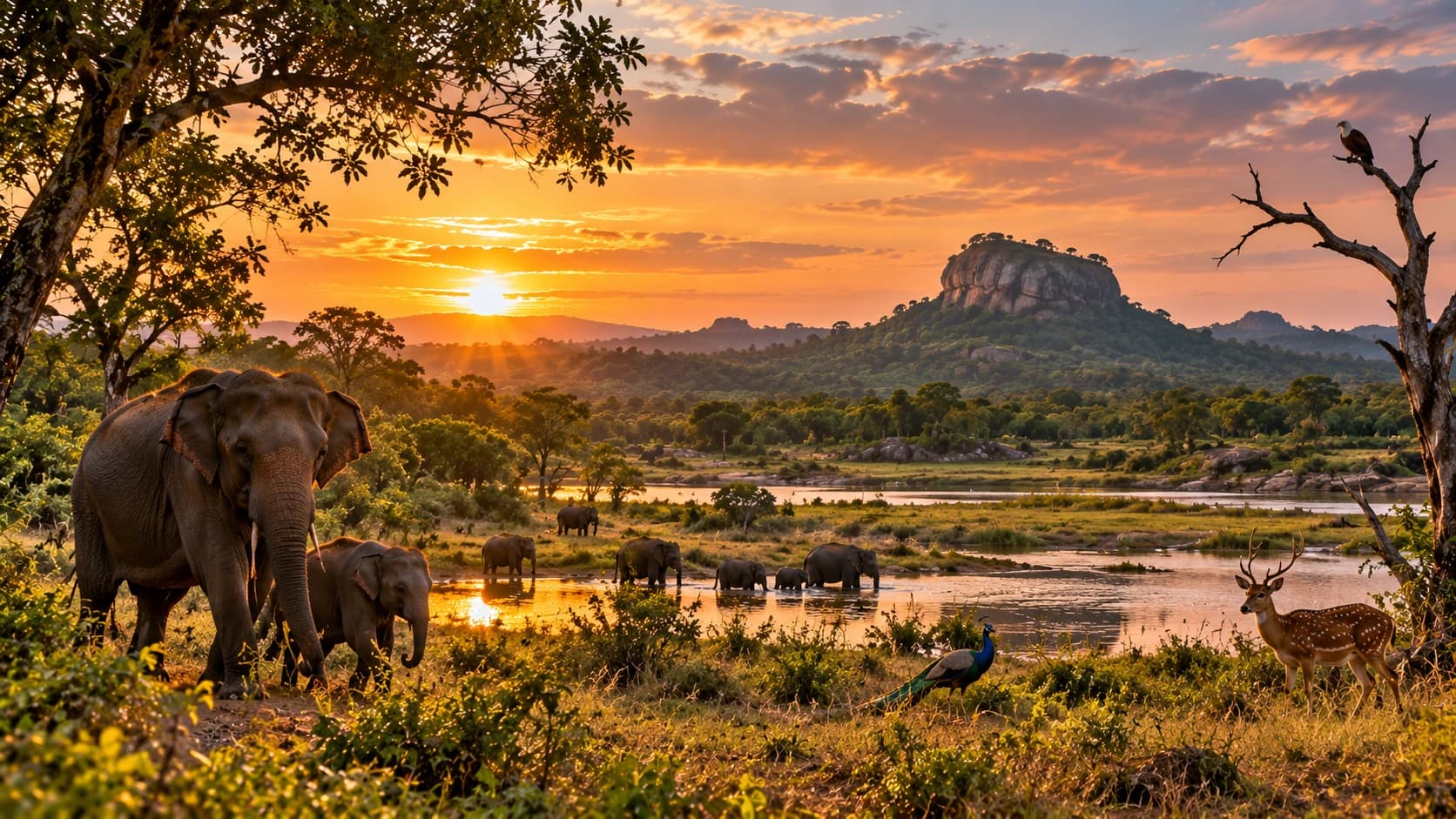 Illustrative image
South-east
A national park in the south-east known for elephants and leopards, with safaris at first and last light.
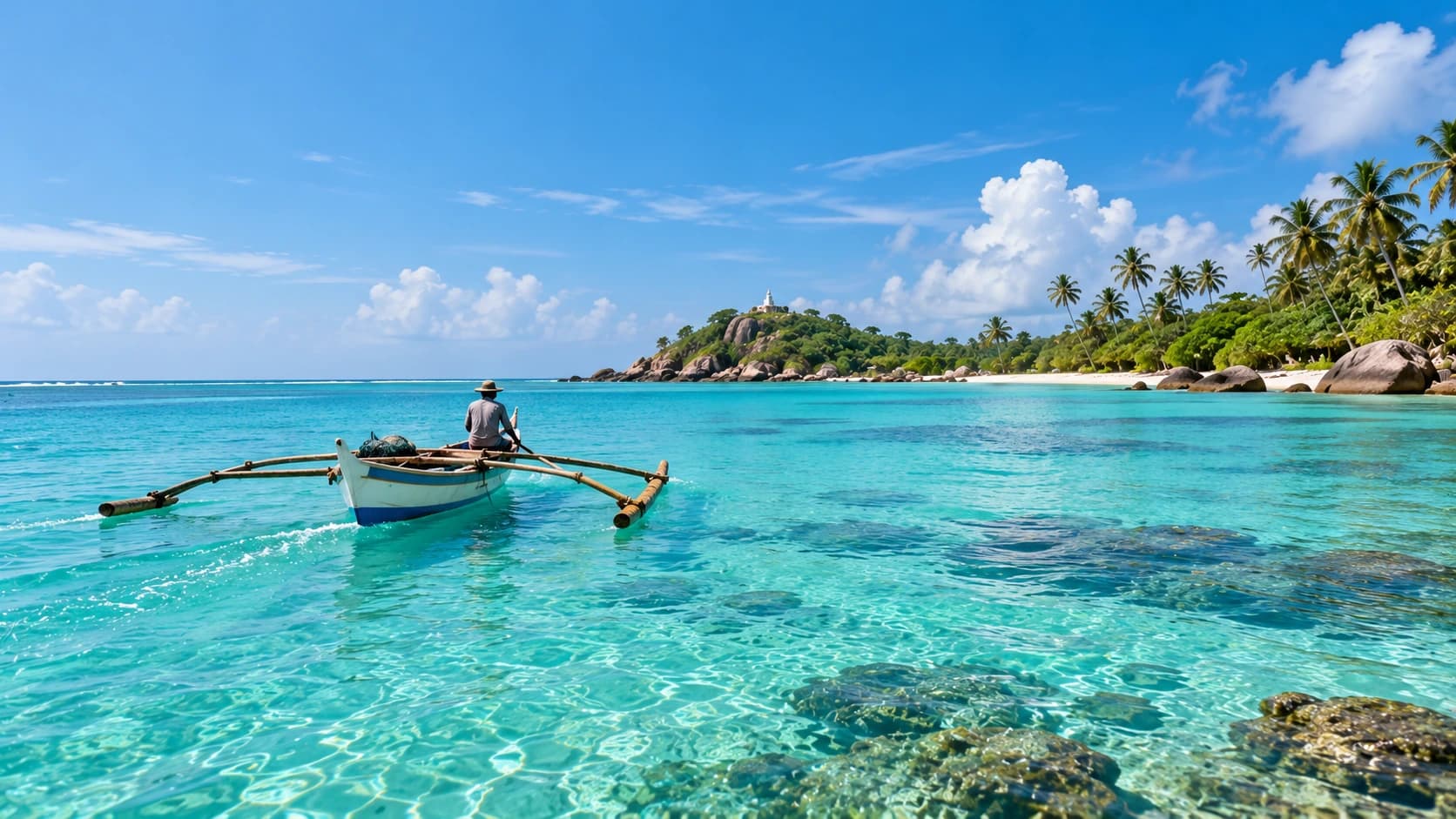 Illustrative image
South coast
A beach and fishing town on the south coast, best known for whale watching in season.
Tell us what you have in mind. It takes a few minutes and there is no obligation.
Plan a trip with us