North central plains

Anuradhapura and Polonnaruwa

Two ancient capitals, one sacred and one royal, among the oldest cities in Sri Lanka.

Illustrative image

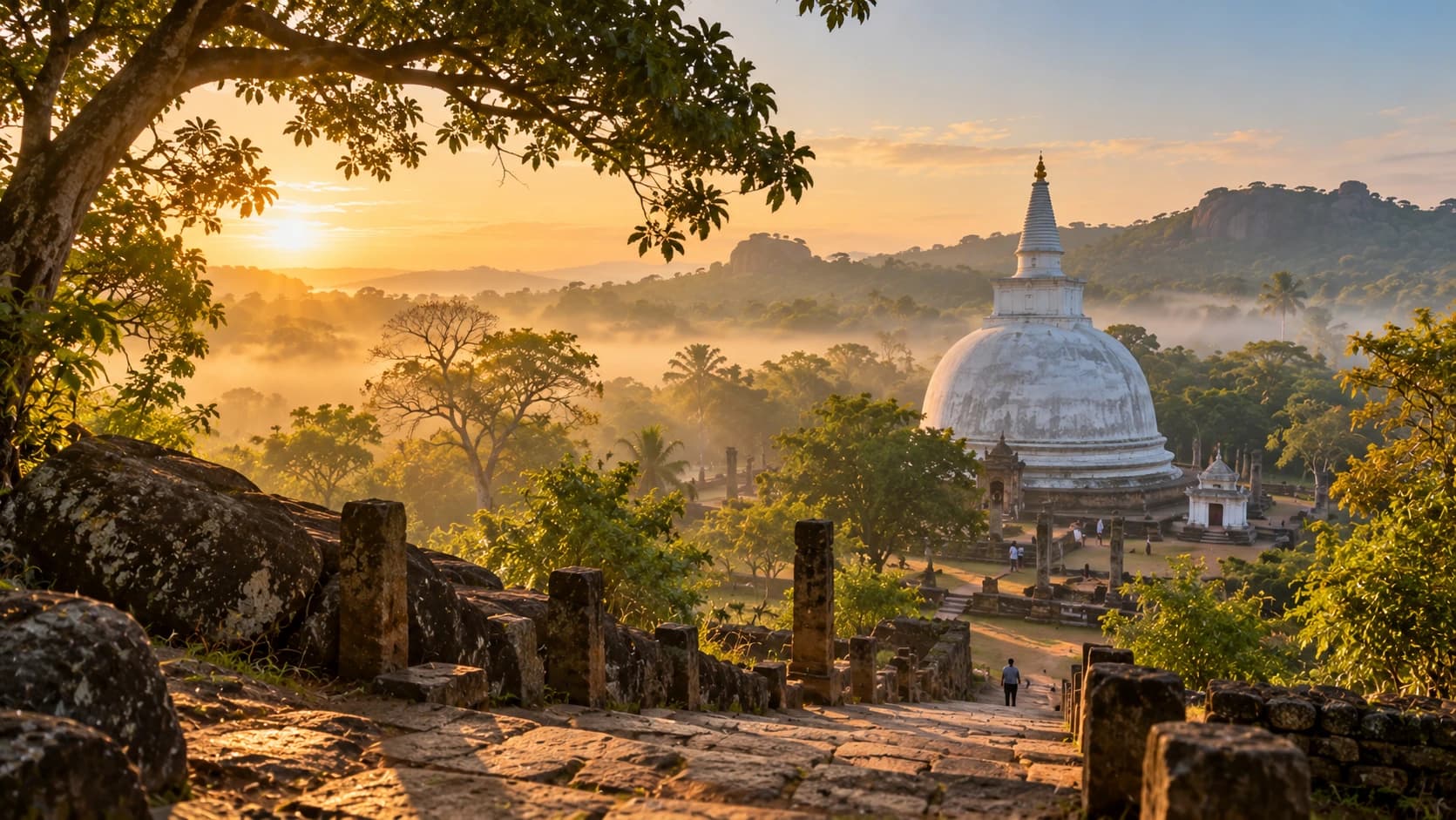
Anuradhapura grew around a cutting of the Buddha's fig tree, brought there in the 3rd century BC. It was a political and religious capital that flourished for 1,300 years and was abandoned after an invasion in 993. Hidden in jungle for years, its palaces, monasteries and monuments can be visited again.

Polonnaruwa became the second capital after Anuradhapura's destruction. It holds monuments built by the Cholas and the ruins of the garden-city created by Parakramabahu I in the 12th century. Both are on the UNESCO World Heritage List.
What to expect

  • A sacred city founded around a cutting of the Buddha's fig tree
  • Palaces, monasteries and monuments brought back from the jungle
  • Polonnaruwa's garden-city built by Parakramabahu I
  • Monuments built by the Cholas

When and how

  • These are open-air sites, so we plan visits for early morning and late afternoon and leave the heat of the day for rest.
  • Tickets for Anuradhapura and Polonnaruwa are issued by the Central Cultural Fund, which also offers an online eTicket order.
  • We usually give each city its own morning or day, so there is time to take in the stories behind the ruins.

Travel responsibly

  • Dress modestly at sacred places and remove shoes and hats where asked
  • Do not climb on, touch or sit on ancient structures
  • Ask before photographing people, and be patient with ceremonies

Practical facts

Each fact comes with its source and the date we last checked it. Rules and conditions change, so please confirm them before you travel.

  • Anuradhapura was founded around a cutting of the Buddha's fig tree, brought there in the 3rd century BC. It was a political and religious capital that flourished for 1,300 years and was abandoned after an invasion in 993. It was inscribed on the UNESCO World Heritage List in 1982.

    Official source: UNESCO World Heritage Centre (opens in a new tab). Checked on October 11, 2026.

  • Polonnaruwa was the second capital of Sri Lanka, after the destruction of Anuradhapura in 993. It holds Brahmanic monuments built by the Cholas and the ruins of the garden-city created by Parakramabahu I in the 12th century. It was inscribed on the UNESCO World Heritage List in 1982.

    Official source: UNESCO World Heritage Centre (opens in a new tab). Checked on October 11, 2026.

  • Tickets for Sigiriya, Anuradhapura, Polonnaruwa and other heritage sites are issued by the Central Cultural Fund, which also offers an online eTicket order. An order is valid for 90 days, the ticket is collected at the counter of the site and is valid for a single entry on the day, and payments are not refunded.

    Official source: Central Cultural Fund (opens in a new tab). Checked on October 11, 2026.

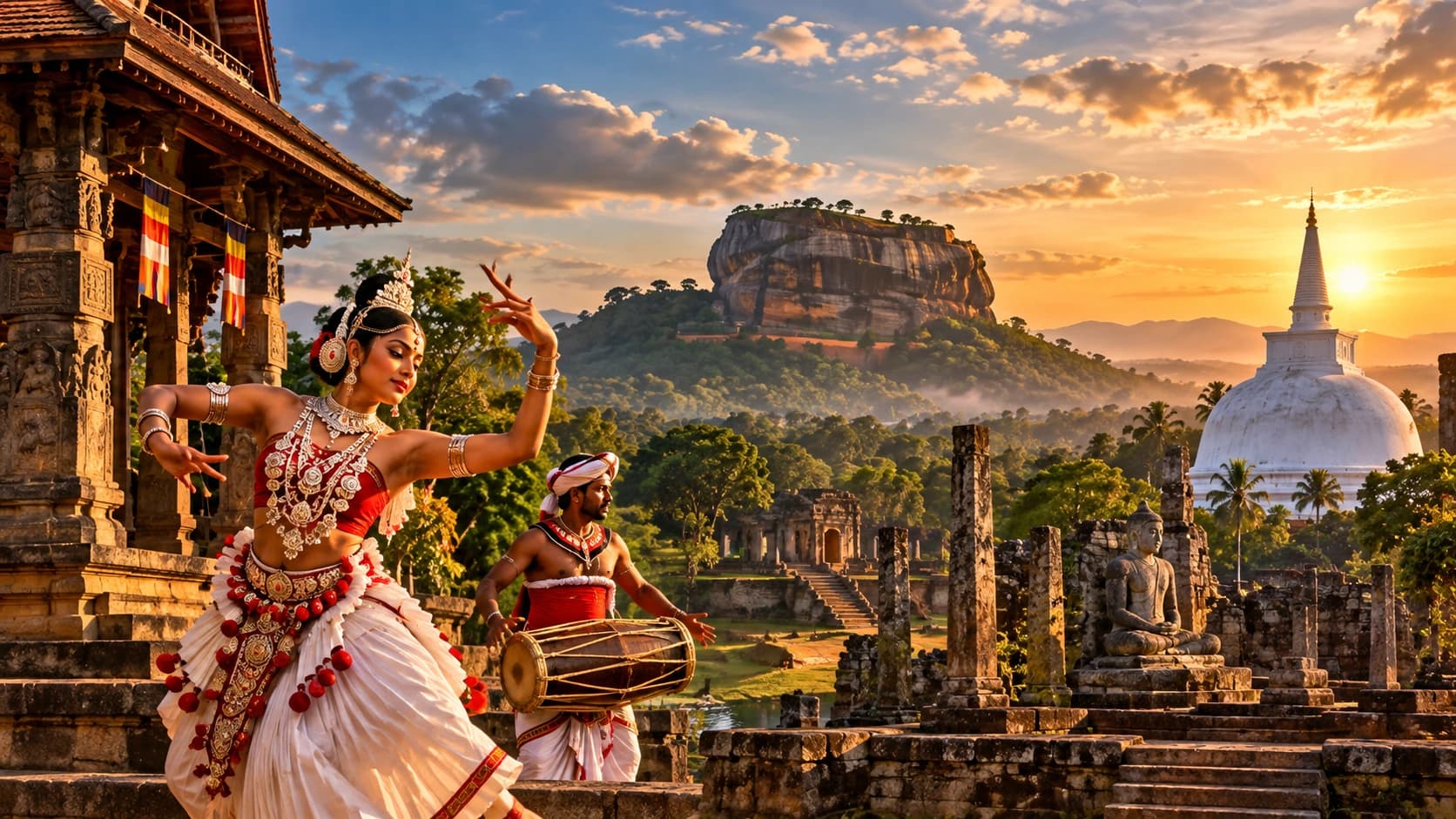
A white stupa among ancient stone ruins and trees in the morning mistIllustrative image

Sample journey

Culture, Nature & Heritage. View journey

Ancient kingdoms, sacred places and green landscapes, for travellers who like to understand where they are.

  • Sigiriya
  • Anuradhapura
  • Polonnaruwa
  • Kandy
  • Often 8 to 11 days, always adjustable
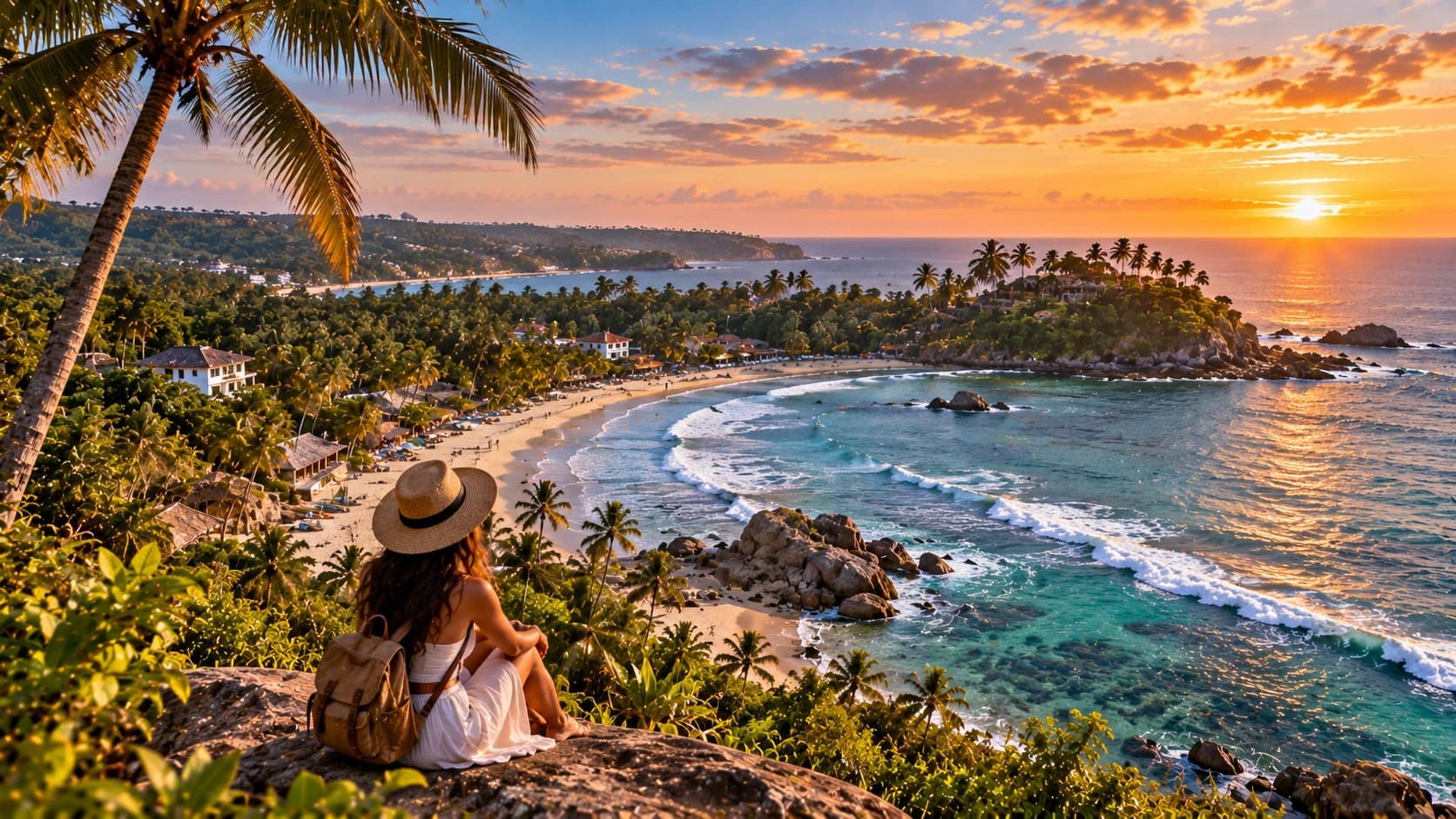
A traveller in a sun hat looking over a palm-fringed bay and a turquoise sea at sunsetIllustrative image

Sample journey

East Coast and Ancient Cities. View journey

The ancient cities of the north-centre, then the east coast: a journey that suits the months when the south-west is wet.

  • Sigiriya area
  • Anuradhapura and Polonnaruwa
  • Trincomalee area
  • Often 8 to 10 days, always adjustable

Places on the same routes

Start planning your Sri Lanka journey

Tell us what you have in mind. It takes a few minutes and there is no obligation.

Plan a trip that includes this place
Plan my trip